

Most early-stage companies pour resources into engineering and marketing, then scramble to fix a broken user experience after launch. There’s a better order of operations.
A startup lives or dies on the clarity of its product. Not just the idea behind it, the experience of actually using it. If someone lands on your app and can’t figure out what to do in the first thirty seconds, they leave. And they usually don’t come back.
This is where a UI/UX Designer for Startups becomes important. Not cosmetics. Not “making things pretty.” The real job is removing confusion before it costs you users, development hours, or investor credibility.
What a startup designer actually does
UI and UX are distinct disciplines that almost always work together. The interface side covers what users see — screens, buttons, spacing, type, color. The experience side covers what users do — the path from landing to completing an action, and whether that path creates friction or removes it.
For an early-stage company, that usually means:
- Defining the MVP’s core screens before development starts
- Mapping user flows so nothing is left to the developer’s imagination
- Making the value proposition legible within seconds of landing
- Designing states, errors-empty data, success confirmations – that developers often skip without a spec
- Building something that reads as credible, even when the brand is brand new
“If your product looks like a rough draft, users assume the whole company is a rough draft.”
The real cost of designing after development
When developers work without design specs, they fill in the gaps themselves. Not because they’re bad at their jobs, because someone has to make decisions about layout, flow, and interaction states, and if the designer isn’t there, the engineer is.
The result is revisions. Sometimes expensive ones. A properly structured Figma handoff, with annotated components, responsive breakpoints, and documented edge cases, dramatically reduces back-and-forth and keeps the build on schedule.
Design done before development also forces useful constraints. You can’t design a clear MVP without deciding what the MVP actually is. That discipline is valuable.
Trust is a design problem, too
New startups don’t have brand recognition. Users arriving at your product for the first time are making a quick judgment: does this look like something built by people who know what they’re doing?
A clean, consistent interface signals competence. An inconsistent or outdated one raises doubts, even if the underlying product is technically sound. For B2B tools or anything involving personal data or payment, that credibility gap is genuinely costly.
This matters for investors as well. A polished prototype communicates that the team has product judgment, not just technical execution.

Better UX means better conversion
A landing page is a UX problem. A signup flow is a UX problem. Every drop-off point between “arrived” and “converted” is a design problem with a design solution.
Small decisions compound: where a button sits, how many steps a form has, whether the mobile layout holds up, how quickly users understand what action to take. These aren’t aesthetic preferences. They have measurable outcomes.
According to the Nielsen Norman Group, user experience encompasses every point of contact between a person and a company — which means the scope of good UX extends well beyond the interface itself, into onboarding, support, and every other touchpoint a startup controls.
When to bring a designer in
The short answer: before engineering starts. The longer answer: whenever one of these is true.
- You have a clear idea but no structured product definition
- You’re planning an MVP and need to decide what goes in it
- Users are dropping off before completing key actions
- Your current product feels hard to explain or demo
- You’re preparing materials for fundraising
- Development has stalled because the spec isn’t clear enough
Even a short engagement – wireframes, a clickable prototype, a documented component set – gives the rest of the team something to build toward, and gives users something coherent to react to.
Design is how you compete without scale
Established competitors have more engineers, more budget, more features. What they often don’t have is the ability to move fast and make their product genuinely simpler. A focused startup with a well-designed experience can win users not because it does more, but because it’s easier to understand and use.
That advantage is available from day one. But only if design is treated as part of the product strategy, not a finishing step.
Good UX is not only about how a product looks. According to Nielsen Norman Group, user experience includes every interaction a user has with a company, its services, and its products. This is why startups should think about UX early, before development starts, so the product feels clear, useful, and easy to use from the beginning.
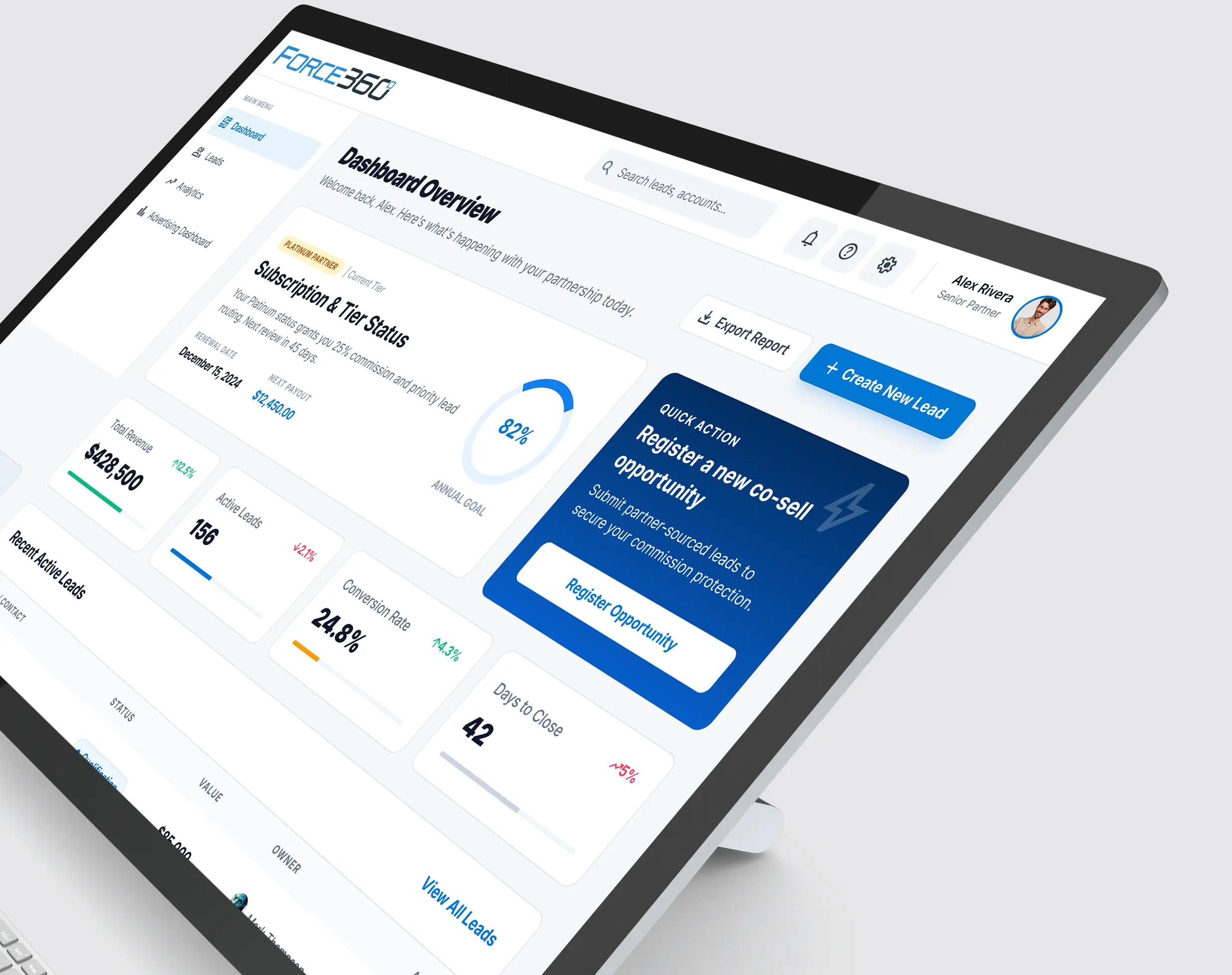
A startup needs more than an idea to succeed. It needs a product experience that users can understand, trust, and enjoy using. A UI/UX Designer for Startups helps create that experience by turning your idea into a clear, user-friendly, and professional product design.
Whether you are building a website, SaaS dashboard, mobile app, MVP, or digital platform, good UI/UX design can save time, reduce mistakes, improve user trust, and help your startup grow with a stronger foundation. If your startup is ready to build a better product experience, investing in UI/UX design early can make a big difference.
Need a UI/UX Designer for Your Startup?
We help startups turn early ideas into clear, modern, and user-friendly digital products. From MVP design to SaaS dashboards, mobile apps, and landing pages, our UI/UX design process helps you build with more clarity and confidence.
Let’s design a startup product that users can understand, trust, and use easily. Start Your UI/UX Project
